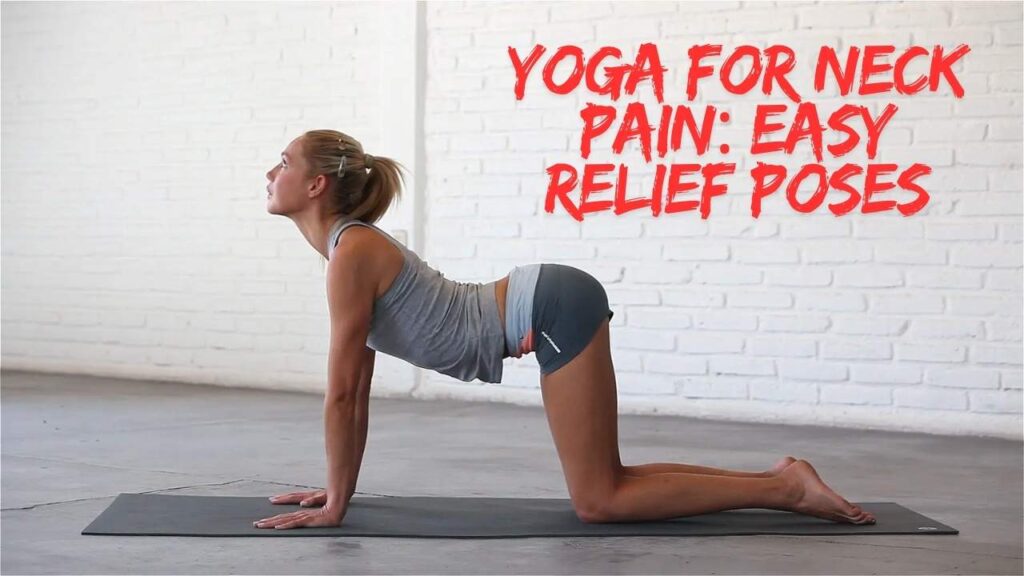

Are you suffering from neck pain? Don’t worry, you’re not alone, and there’s a simple, natural way to find relief. Yoga for Neck Pain: Easy Relief Poses is a gentle approach that helps relax tight muscles, reduce stiffness, and improve posture.
With easy movements and calming breathing, these yoga poses can bring comfort and relief right from the comfort of your home. Read this post till the end to discover simple poses, helpful tips, and easy routines that can support long-term neck health and daily comfort.
Yoga for Neck Pain
Yoga is a gentle and natural way to reduce neck pain and stiffness. Simple poses and stretches help relax tight muscles, improve blood flow, and ease daily discomfort caused by stress or poor posture. With regular practice, yoga supports both physical relief and mental calm.
These easy relief poses are suitable for beginners and can be done at home without any equipment. Slow movements and deep breathing help release tension from the neck and shoulders. Even a few minutes of daily practice can make a noticeable difference.
Staying consistent with yoga can improve neck flexibility, posture, and overall comfort. When practiced mindfully, yoga not only relieves pain but also helps prevent future neck problems. It’s a simple habit that supports long-term neck health and well-being.
Key Highlights: Yoga for Neck Pain Relief
| Natural Pain Relief | Yoga helps reduce neck pain naturally without medicines or side effects. |
| Improves Flexibility | Gentle poses and stretches increase neck movement and reduce stiffness. |
| Relieves Muscle Tension | Slow movements and breathing relax tight neck and shoulder muscles. |
| Enhances Posture | Regular practice corrects poor posture and spinal alignment. |
| Beginner-Friendly | Most poses are simple, safe, and suitable for all age groups. |
| Stress Reduction | Breathing techniques calm the mind and ease stress-related neck pain. |
| Home Practice | Can be done easily at home without special equipment. |
| Prevents Future Pain | Consistent yoga practice helps avoid recurring neck discomfort. |
How Yoga Helps Relieve Neck Pain Naturally
Yoga helps relax tight neck muscles and improves blood flow to the affected area. Gentle movements reduce stiffness caused by long sitting hours and poor posture. Regular practice also lowers stress, which often increases neck tension. Over time, yoga supports natural healing without the need for medication. It brings both physical relief and mental calm.
Best Yoga Poses for Neck Pain Relief
Certain yoga poses gently stretch and strengthen the neck and shoulder muscles. These poses release built-up tension and reduce pressure on the cervical spine. When practiced slowly and mindfully, they help ease pain without strain. Even beginners can safely perform most neck-friendly poses. Consistency is the key to feeling long-term relief.
Gentle Neck Stretches to Reduce Stiffness
Gentle neck stretches help loosen stiff muscles caused by inactivity or stress. Slow side bends and rotations improve flexibility and reduce discomfort. These stretches also improve circulation around the neck area. When done daily, they prevent tightness from building up. Always move gently and avoid sudden jerks.
Simple Yoga Poses You Can Do at Home
You don’t need a studio or equipment to practice yoga for neck pain. Simple poses can be done at home, even in a small space. They fit easily into your morning or evening routine. Just a few minutes of practice can make a noticeable difference. Comfort and consistency matter more than perfection.
Yoga Poses to Improve Neck Flexibility and Posture
Poor posture is one of the main causes of neck pain today. Yoga poses help align the spine and strengthen supporting muscles. Improved posture reduces strain on the neck and shoulders. Over time, flexibility increases and movement feels easier. This also helps prevent future neck discomfort.
Breathing Techniques to Ease Neck Tension
Deep breathing plays a big role in relaxing tight neck muscles. Slow, controlled breaths calm the nervous system and reduce stress. When combined with gentle yoga poses, breathing enhances muscle relaxation. It helps release tension you may not even realize you’re holding. Calm breathing leads to deeper relief.
Best Time to Practice Yoga for Neck Pain
Morning yoga helps loosen stiffness after waking up. Evening practice is great for releasing tension built up during the day. Choose a time when your body feels relaxed and unhurried. Practicing at the same time daily builds a healthy habit. Comfort and consistency matter more than the clock.
Who Can Practice These Neck Pain Relief Poses
These yoga poses are suitable for beginners, office workers, and seniors. Anyone experiencing mild to moderate neck discomfort can benefit. They are gentle and easy to follow with minimal strain. However, people with serious neck injuries should consult a professional first. Listening to your body is always important.
Things to Keep in Mind While Doing Yoga for Neck Pain
Always move slowly and avoid forcing any posture. Keep your neck relaxed and breathe normally throughout the practice. Stop immediately if you feel sharp pain or discomfort. Use support like cushions if needed. Gentle practice brings better results than pushing too hard.
Common Mistakes to Avoid During Neck Yoga
One common mistake is moving too fast or overstretching the neck. Holding tension in the shoulders while stretching is another issue. Skipping breathing techniques can reduce the benefits of yoga. Ignoring pain signals may worsen the condition. Focus on smooth, controlled movements instead.
Tips to Prevent Neck Pain in Daily Life
Maintain good posture while sitting, working, or using your phone. Take short breaks to stretch during long working hours. Use a supportive pillow while sleeping. Stay active and manage stress levels. Small daily habits can greatly reduce neck pain over time.
How Often Should You Practice Yoga for Neck Pain Relief
Practicing yoga 4–5 times a week gives the best results. Even 10–15 minutes daily can be effective. Regular practice keeps muscles flexible and prevents stiffness. Missing a day isn’t a problem, but consistency matters. Over time, you’ll notice reduced pain and better mobility.